I built an observability layer to diagnose and prevent falloff at the top of the funnel.
Skills Utilized
UX Research
Frontend Engineering

I built an observability layer to diagnose and prevent falloff at the top of the funnel.
We were seeing lower-than-expected signups, but didn’t have enough insight into why. The team was discussing redesigns, but I was concerned we’d end up iterating indefinitely without learning.
I identified that the primary blocker wasn’t necessarily the UI itself, but the absence of insight into how users were actually interacting with the landing and signup flows.
I focused on introducing lightweight behavioral instrumentation that could surface both qualitative and quantitative signals without slowing down iteration, in order to enable us with greater decision-making leverage and less guesswork in how to improve the experience.
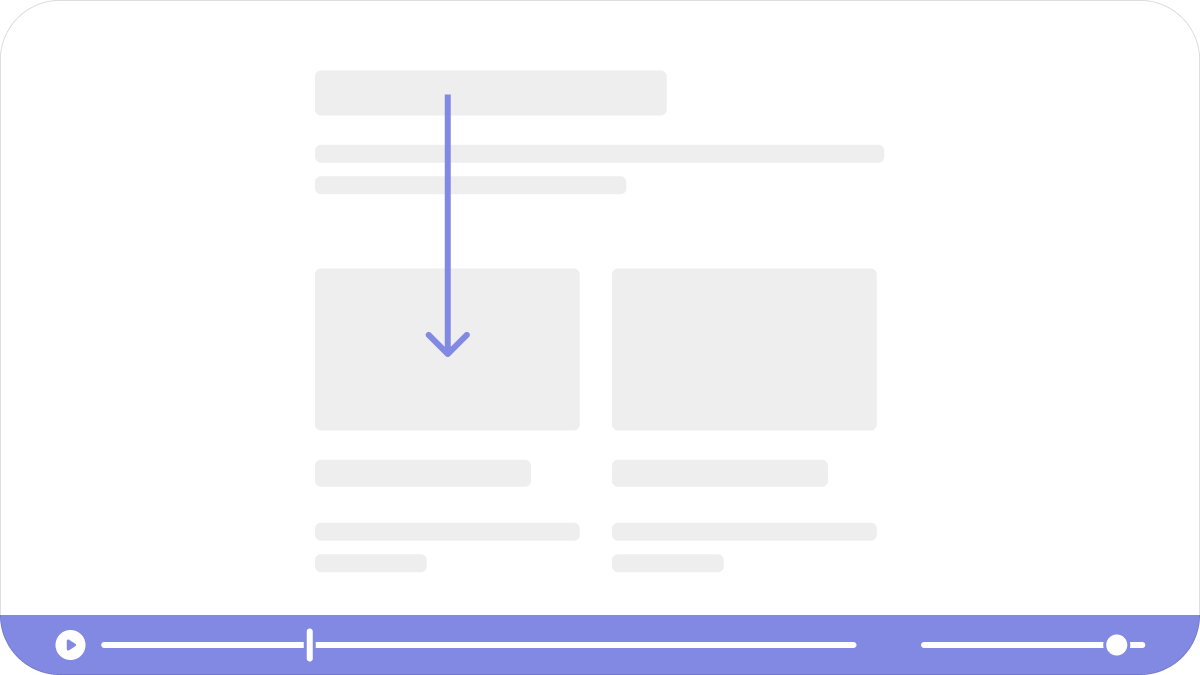
We set this up to track micro-level behavior and assess moment-by-moment playbacks of user experiences on the platform.

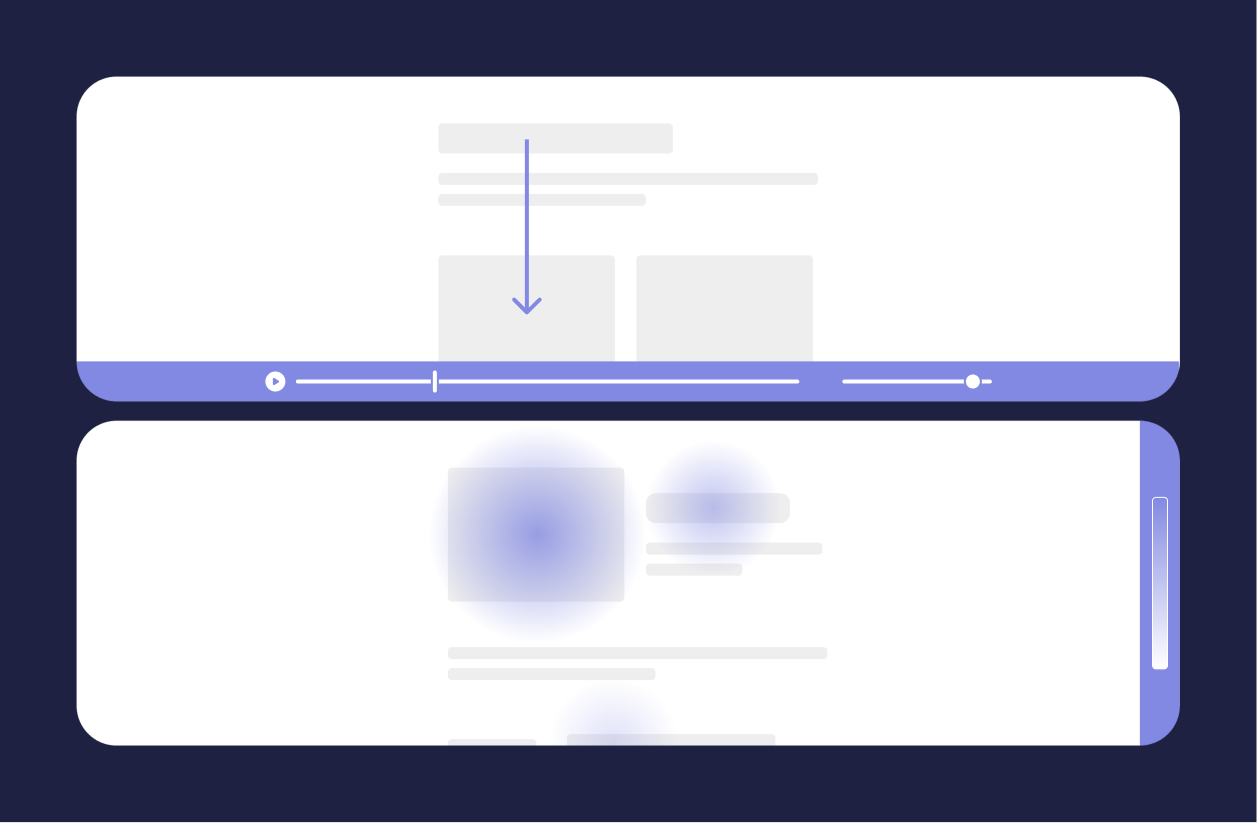
To aggregate attention pattens and provide cumulative visualizations of various sessions, we set up heat maps to help summarize the behavioral insights we were after.
I evaluated multiple tools based on implementation cost, data coverage, and sustainability, and implemented LogRocket directly in the frontend codebase to enable anonymized session replay, heat maps, and event context.
I selected this based on the following:
This work established the first observability layer for our product entry points, enabling the team to:
By making user behavior visible, we reduced the risk of infinite, misdirected iteration and enabled more precise UX interventions aimed at improving activation and preventing early falloff.
Since the outcome of this initiative represented the first implementation of a more proactive strategy for making effective product iterations, there is lots more to be done as data is gathered, such as: